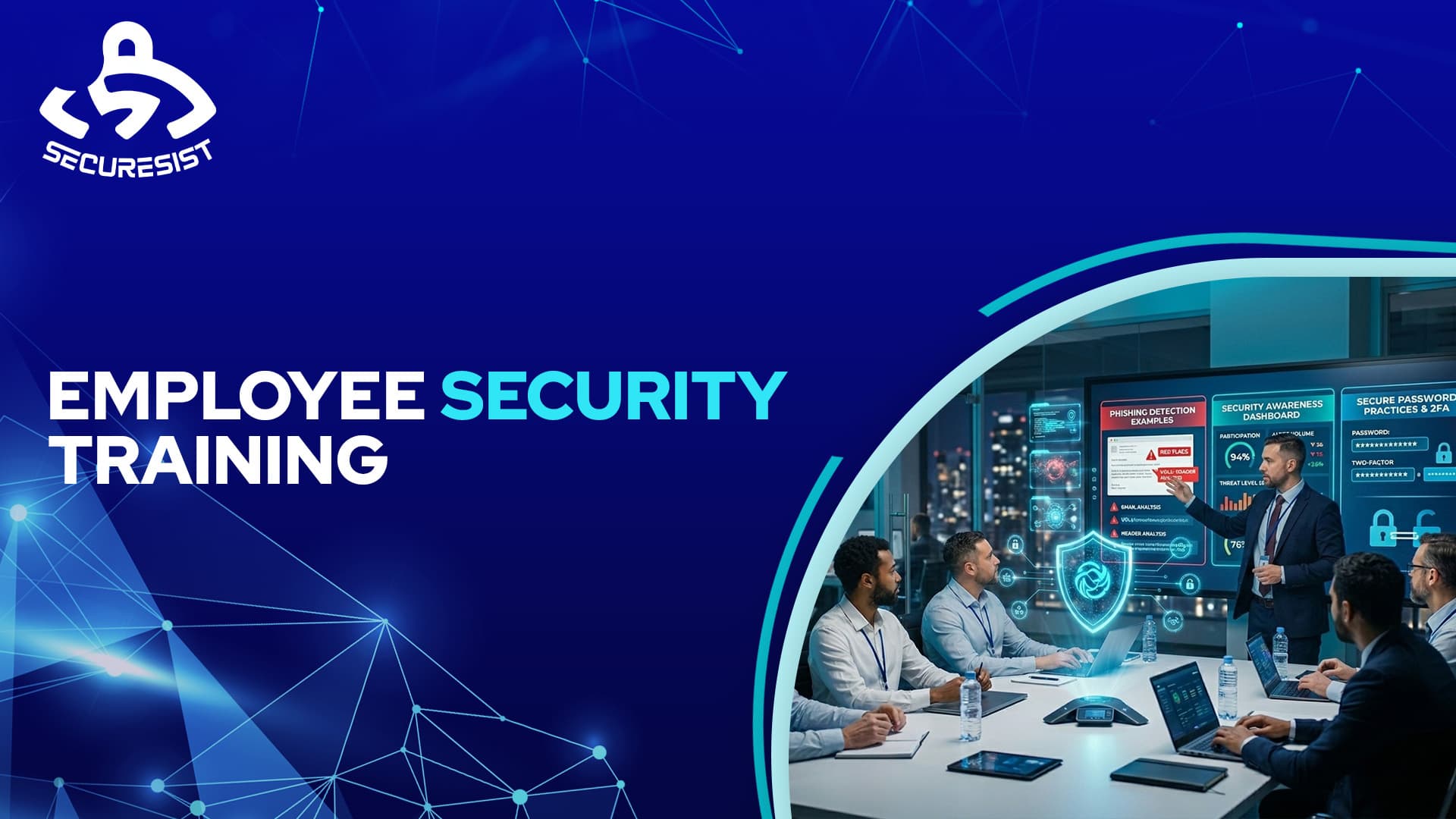
Ransomware attacks rarely begin with advanced hacking techniques. In many cases, they start with an ordinary workplace action. Someone opens a fake invoice attachment, clicks a suspicious login link, or downloads a file that looked harmless during a busy workday.
That is why employee security training has become far more important than many companies realized a few years ago.
Cybercriminals now target people directly because phishing emails and fake file-sharing requests are often easier to exploit than technical systems. Even companies using strong security software can still face ransomware incidents if employees are not prepared to recognize suspicious activity.
This is especially important in workplaces using cloud platforms, remote collaboration tools, shared drives, and digital payment systems where employees constantly interact with emails, files, and online accounts throughout the day.
Why ransomware training is important
Many ransomware attacks spread because someone reacts too quickly without noticing warning signs.
A fake attachment may look like a supplier invoice. A login request may appear identical to a normal Microsoft 365 alert. Some phishing emails are now written so professionally that they blend into regular business communication almost perfectly.
That is what makes ransomware dangerous today.
Employee security training helps teams slow down, verify suspicious activity carefully, and avoid risky actions before ransomware spreads across devices or shared systems.
Without proper awareness, even small mistakes can create serious problems such as:
-file encryption
-loss of important documents
-account compromise
-operational downtime
-payment disruption
Ransomware incidents can also interrupt customer service, internal communication, and day-to-day operations for hours or even days depending on the scale of the attack.
This is one reason many businesses are focusing more on cyber security training for employees instead of relying only on antivirus tools or email filtering systems.
Learn how a security awareness training program reduces human risk
How employees trigger ransomware attacks
Most employees do not intentionally create security risks. Problems usually happen during fast-moving work situations where people are multitasking, handling approvals, or responding to urgent requests quickly.
Some of the most common ransomware triggers include:
-opening suspicious attachments
-clicking phishing links
-downloading fake documents
-using weak passwords
-ignoring unusual login activity
Remote work has also increased risk in many workplaces. Employees often access company accounts through multiple devices, home networks, or shared cloud platforms where suspicious activity may be harder to notice immediately.
Finance and HR teams are especially targeted because they regularly handle invoices, attachments, payment approvals, and sensitive documents.
Attackers know this.
That is why many ransomware emails are designed to look routine instead of alarming. A fake invoice or shared document request often works better than an obviously suspicious email.
Discover top security awareness training providers.
The Benefits of Cybersecurity Awareness Training for Businesses
Good ransomware training does more than reduce phishing clicks. It changes how people react during risky situations.
After regular training sessions, teams usually become more careful with suspicious attachments, fake login pages, and unusual requests that arrive through email or messaging platforms.
One major benefit is faster reporting.
When people understand what ransomware activity looks like, suspicious emails are more likely to get reported before they spread further across shared systems or cloud accounts.
Cyber security training for employees can also help reduce:
-unsafe file downloads
-password reuse
-fake payment approvals
-malicious attachment clicks
-unverified software installations
Another advantage is reduced operational disruption.
A ransomware attack can slow down entire departments very quickly if shared drives, internal systems, or cloud files become inaccessible. Basic security habits often prevent these situations from escalating.
Training also improves confidence. Many employees hesitate during suspicious situations because they are unsure what to do next. Practical ransomware awareness training helps people recognize warning signs earlier and respond more carefully instead of reacting under pressure.

Measuring training effectiveness
One common mistake companies make is assuming training works simply because employees completed a session or watched awareness videos.
Completion rates alone do not show whether behavior actually improved.
The better approach is measuring how people respond during realistic situations.
Many businesses now use:
-phishing simulations
-email reporting metrics
-click-rate tracking
-password hygiene monitoring
-security behavior assessments
These methods provide a clearer picture of where risky habits still exist.
For example, phishing simulations can reveal whether teams are still clicking suspicious links or downloading fake attachments during everyday work activity.
Another useful sign is reporting behavior.
If employees start reporting unusual emails more quickly after training, that usually shows awareness is improving in practical situations instead of only during training sessions.
Consistency matters too.
One annual awareness session rarely changes long-term behavior. People are far more likely to remember security habits when training happens regularly through smaller, realistic exercises instead of long compliance-heavy presentations.
Common ransomware awareness mistakes
Some training programs fail because they focus too heavily on technical explanations instead of practical workplace behavior.
Employees do not need to become cybersecurity experts. They need to recognize situations that create risk during daily work.
Another common mistake is making ransomware training feel fear-based or overly complicated. When awareness sessions become too technical, many people lose attention quickly.
Training works better when examples feel realistic and easy to relate to.
Examples include:
-fake invoice attachments
-password reset scams
-malicious shared document links
-suspicious login pages
-unexpected payment requests
Timing also matters.
People already dealing with overloaded inboxes, meetings, approvals, and deadlines are more likely to miss warning signs. Good ransomware training explains how attackers take advantage of rushed decision-making during busy workdays.
How to train employees on cyber security
Effective ransomware training is usually simple, practical, and repeated regularly instead of being overloaded with technical information.
People remember realistic situations more than long security presentations.
Good cyber security training for employees often focuses on everyday workplace habits such as:
-checking email senders carefully
-verifying payment requests
-avoiding suspicious attachments
-reporting unusual activity quickly
-using stronger passwords and MFA
Phishing simulations are also becoming more common because they expose teams to realistic attack scenarios safely. Employees learn how ransomware-related phishing emails actually appear during normal work activity.
Short training sessions often work better than lengthy awareness programs. A quick reminder about fake login pages or suspicious attachments is usually easier to remember during busy workdays.
Managers also play an important role. When reporting suspicious emails becomes normal inside the workplace, people are more likely to speak up early instead of ignoring potential threats.
Training should feel supportive rather than blame-focused. Fear-based awareness programs often reduce reporting because employees worry about making mistakes publicly.
The goal is not perfection. The goal is helping teams slow down, notice warning signs earlier, and respond more carefully when something feels suspicious.
Strengthen ransomware protection with practical employee security training designed for modern workplace threats.
FAQs
What is the security awareness training for ransomware?
Ransomware security awareness training helps employees recognize suspicious emails, malicious attachments, phishing links, and risky behavior that could lead to ransomware infections inside the workplace.
The training usually focuses on practical prevention habits instead of technical cybersecurity concepts.
What is the best security prevention for a ransomware attack?
There is no single solution that completely prevents ransomware attacks. Strong protection usually combines employee training, email security, multi-factor authentication, endpoint protection, backups, and phishing prevention practices together.
Human behavior still plays a major role in many ransomware incidents.
How to train employees on cyber security?
Training works best when it is practical, simple, and repeated regularly.
Many companies use phishing simulations, short awareness exercises, password guidance, and realistic workplace examples to help employees recognize suspicious activity more confidently.
Conclusion
Ransomware attacks continue evolving because attackers understand how people work. Busy inboxes, urgent approvals, shared files, and routine communication create opportunities for phishing emails and malicious attachments to blend into normal business activity.
That is why employee security training has become an important part of ransomware prevention.
Technical security tools still matter, but they cannot stop every suspicious email or risky click alone. Practical awareness training helps teams recognize warning signs earlier and reduce the chances of ransomware spreading through everyday workplace activity.