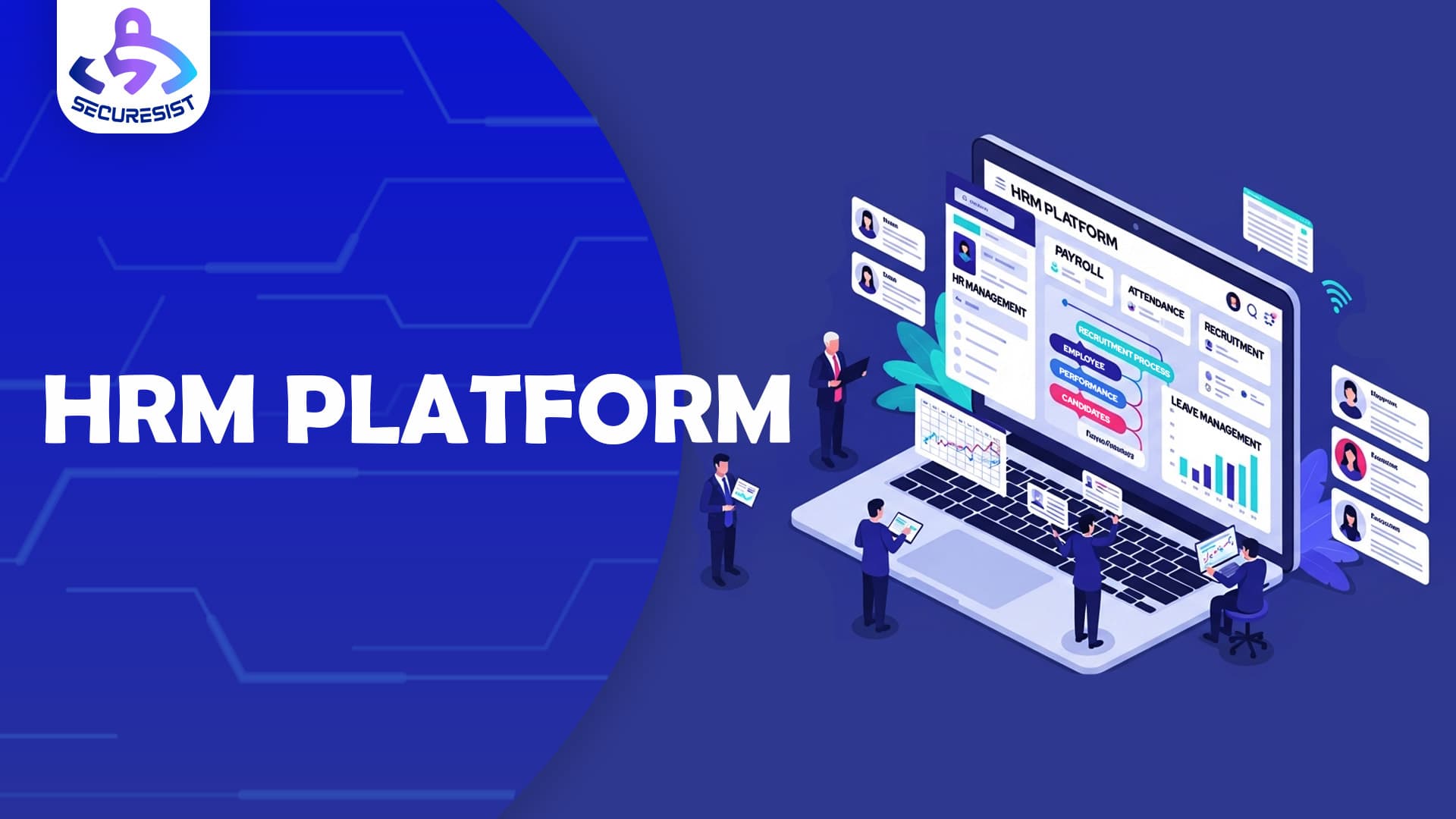
As organizations grow and operations become more complex, managing employees efficiently is no longer a simple task. From recruitment and onboarding to payroll and performance management, businesses need structured and automated solutions, supported by strong cybersecurity awareness for employees
. This is where an HRM platform becomes essential, helping organizations streamline HR processes, improve employee experience, and enhance operational efficiency.
What is a Human Resource Management Platform?
An HRM platform (Human Resource Management platform) is a digital system designed to manage and automate core HR functions within an organization.
It centralizes employee data and supports activities such as:
- Recruitment and onboarding
- Payroll and compensation management
- Attendance and leave tracking
- Performance evaluation
- Employee records management
In simple terms, an HRM platform helps organizations manage their workforce more efficiently through technology.
Functions and Objectives of an HRMS
An effective HRM platform serves multiple functions that support both operational and strategic goals:
- Employee Data Management
- Centralized storage of employee information, requiring proper data security awareness training
- Recruitment & Onboarding
- Streamlining hiring processes and new employee integration
- Payroll & Benefits Administration
- Automating salary processing and benefits management
- Performance Management
- Tracking employee performance and development
- Compliance Management
- Ensuring adherence to labor laws and regulations and reducing risks such as phishing attacks
The main objective is to improve efficiency, accuracy, and employee satisfaction.
How Does an HRMS Work?
An HRM platform works by collecting, storing, and processing employee-related data in a centralized system.
The process typically includes:
- Data Input – Employee information is entered into the system
- Automation – HR tasks like payroll, attendance, and reporting are automated
- Integration – The platform integrates with other business systems
- Reporting & Analytics – Generates insights for decision-making
This allows HR teams to focus on strategic activities instead of manual processes.

Why Is HRM Platform Important?
The importance of an HRM platform lies in its ability to simplify and optimize workforce management.
Organizations need HRM platforms to:
- Reduce manual errors
- Improve efficiency and productivity
- Enhance employee experience
- Support data-driven decisions
- Ensure compliance with regulations
Without a structured system, managing HR operations can become time-consuming and error-prone.
Benefits of Human Resources Management System (HRM Platform)
Implementing an HRM platform provides several key benefits:
- Time & Cost Efficiency
- Automates repetitive tasks and reduces administrative workload
- Improved Data Accuracy
- Minimizes errors in payroll and employee records
- Better Decision-Making
- Provides real-time insights and analytics
- Enhanced Employee Experience
- Simplifies HR processes for employees
- Scalability
- Supports business growth and workforce expansion
- Compliance & Security
Helps maintain regulatory compliance and protect sensitive employee data against risks like social engineering attacks
and malware threats
How to Choose Human Resources Management System (HRMS)?
Selecting the right HRM platform requires careful evaluation based on business needs.
Key factors to consider:
- Ease of Use
- User-friendly interface for HR teams and employees
- Scalability
- Ability to grow with your organization
- Integration Capabilities
- Compatibility with existing systems
- Security Features
- Strong data protection and access control
- Customization
- Ability to tailor features to business requirements
- Support & Maintenance
- Reliable vendor support and updates
Conclusion
An HRM platform is no longer a luxury it is a necessity for modern organizations aiming to improve efficiency, enhance employee management, and support business growth.
At SecureSist, we emphasize the importance of secure and well-managed digital systems, including HR platforms, to ensure data protection and operational resilience.
Because managing people effectively starts with managing their data securely.