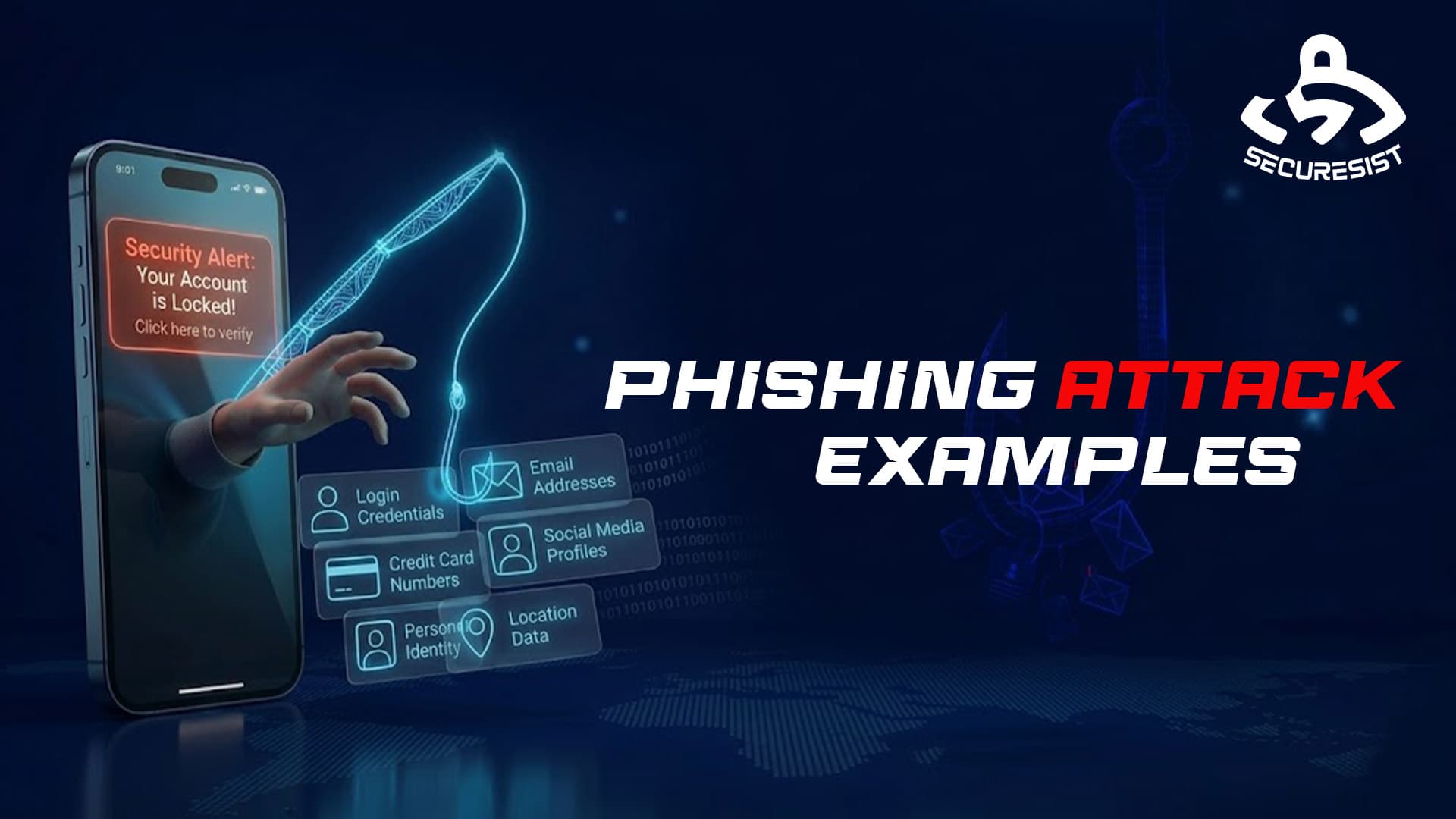
Phishing attacks have become one of the most common cybersecurity threats affecting businesses across Dubai and the wider UAE. Most attacks no longer look suspicious at first glance. A fake invoice email, a Microsoft 365 login request, or even a delivery notification can appear completely legitimate to employees handling busy workloads every day.
Cybercriminals are also becoming more targeted. Instead of sending random spam emails, attackers now impersonate suppliers, banks, delivery companies, government entities, and even internal departments to gain trust quickly.
This is why phishing remains a serious risk for businesses of all sizes. One employee clicking the wrong link can expose passwords, customer information, payment data, or internal company systems.
Understanding how phishing works is now just as important as using antivirus software or email security tools.
What is a Phishing Attack?
A phishing attack is a type of cyberattack where criminals try to trick people into sharing sensitive information or performing actions that benefit the attacker.
In most cases, the attack happens through email, SMS messages, fake websites, or messaging platforms. The message usually looks urgent or trustworthy to encourage quick action before the victim notices warning signs.
An employee may receive what appears to be:
- a password reset request
- a payment approval email
- a courier delivery notification
- a banking verification message
- a shared document link
Some phishing attacks are designed to steal login credentials, while others try to install malware or redirect users to fake websites.
Businesses in the UAE are increasingly seeing phishing attempts targeting cloud-based services like Microsoft 365 and Outlook because many organizations rely heavily on remote communication and online collaboration tools.
What makes phishing dangerous is that it targets human behavior instead of technical systems. Attackers often rely on urgency, trust, or distraction to make employees react quickly without verifying the message properly.
What are the Signs of Phishing?
Many phishing emails now look professional, which makes them harder to detect than older scam messages filled with spelling mistakes or poor formatting.
Still, there are usually warning signs businesses and employees should watch for carefully.
One common sign is urgency. The message may pressure the recipient to act immediately by claiming an account will be suspended, a payment is pending, or login verification is required. Attackers use urgency because rushed employees are more likely to react without checking details properly.
Another warning sign is unusual sender information. An email may appear to come from a trusted company while using a slightly different domain name or suspicious email address.
Phishing emails also often include:
- suspicious links
- unexpected attachments
- fake login pages
- unusual payment requests
- requests for passwords or confidential information
In Dubai and UAE businesses, fake supplier emails and payment approval scams have become especially common because many companies process large volumes of invoices and vendor communication daily.
Employees should always verify unexpected requests before clicking links, downloading files, or sharing sensitive company information.

5 Types of Phishing Attacks
Phishing attacks can happen in different ways depending on the target and the information attackers want to steal. Some scams are broad and sent to thousands of people, while others are carefully designed for specific employees or businesses.
Some common phishing methods businesses should watch for include:
- Email phishing (fake emails designed to steal information)
- Spear phishing (targeted phishing aimed at specific individuals or teams)
- Whaling (phishing attacks targeting executives or senior management)
- Smishing (phishing scams sent through SMS messages)
- Business Email Compromise or BEC (fake business emails used for fraud or payment scams)
The most common type is email phishing. Attackers send fake emails pretending to be trusted companies, banks, suppliers, or internal departments. These emails usually contain links leading to fake login pages or malicious attachments.
Spear phishing is more targeted. Instead of sending the same message to everyone, attackers personalize the email using company names, employee roles, or business details. This makes the message feel more believable.
Whaling attacks focus on senior employees such as executives, finance managers, or business owners. Attackers often impersonate legal authorities, vendors, or leadership teams to request urgent payments or confidential data.
Smishing happens through SMS messages. Victims may receive fake delivery notifications, banking alerts, or account verification requests containing malicious links. These scams have become increasingly common across the UAE because many people rely heavily on mobile devices for work communication.
Another growing threat is Business Email Compromise, also known as BEC. In these attacks, criminals impersonate suppliers, executives, or partners to trick employees into transferring money or sharing sensitive information. Many businesses in Dubai have seen phishing attempts involving fake invoice requests and payment approval scams.
5 Ways to Protect Your Organization from Phishing Attacks
Businesses cannot completely stop phishing attempts from happening, but they can reduce the risk significantly with the right security practices and employee awareness.
One of the most effective steps is employee training. Staff should understand how phishing emails work and how to identify suspicious messages before reacting to them.
Organizations should also encourage employees to verify unusual requests carefully, especially payment approvals, login requests, or supplier communication involving financial transactions.
Multi-factor authentication adds another layer of protection. Even if attackers steal passwords, MFA can help prevent unauthorized access to company accounts and cloud platforms.
Businesses should also keep software and email security systems updated regularly. Security patches and email filtering tools help reduce exposure to known phishing methods.
It is equally important to create a reporting culture inside the organization. Employees should feel comfortable reporting suspicious emails quickly instead of ignoring them or fearing blame for mistakes.
Definition of a Phishing Attack
Simple practices often make a major difference, such as:
- checking sender addresses carefully
- avoiding unknown attachments
- verifying payment requests by phone
- reviewing links before clicking
- limiting access to sensitive systems
For companies handling customer data, financial information, or cloud-based operations, phishing awareness should become part of daily business security rather than a one-time training activity.
How does Securesist help organizations defend against phishing attacks?
Many phishing attacks succeed because employees are targeted during normal daily work. A fake invoice, a login request, or a supplier email can easily appear legitimate when teams are busy handling multiple tasks.
This is where security awareness and proactive protection become important.
Securesist helps organizations strengthen their defenses against phishing attacks through practical cybersecurity solutions designed for modern business environments.
The approach focuses not only on technical protection but also on reducing human risk inside organizations. This includes helping businesses improve employee awareness, strengthen email security practices, and identify vulnerabilities before attackers exploit them.
Security awareness programs and phishing simulations can help employees recognize suspicious emails more effectively over time. Businesses also gain better visibility into how employees respond to phishing attempts and where additional training may be needed.
For companies in Dubai and across the UAE, this is especially important as phishing scams continue targeting cloud accounts, supplier communication, and payment approval processes.
Protect your business from phishing attacks today
FAQs
What are four types of phishing attacks?
Four common types of phishing attacks include email phishing, spear phishing, smishing, and Business Email Compromise (BEC). Each attack uses different methods to trick victims into sharing sensitive information or performing risky actions.
What is the most common phishing attack?
Email phishing is still the most common type of phishing attack. Attackers send fake emails pretending to be trusted companies, banks, suppliers, or internal departments to steal credentials or financial information.
Conclusion
Phishing attacks continue to grow because they target people directly instead of trying to break through technical systems. Attackers know employees are busy, distracted, and constantly handling emails, invoices, and login requests throughout the workday.
That is why businesses across the UAE are investing more in phishing awareness, employee training, and stronger email security practices.
Understanding how phishing works, recognizing warning signs, and creating a culture of awareness can help organizations reduce risks before small mistakes turn into serious security incidents.